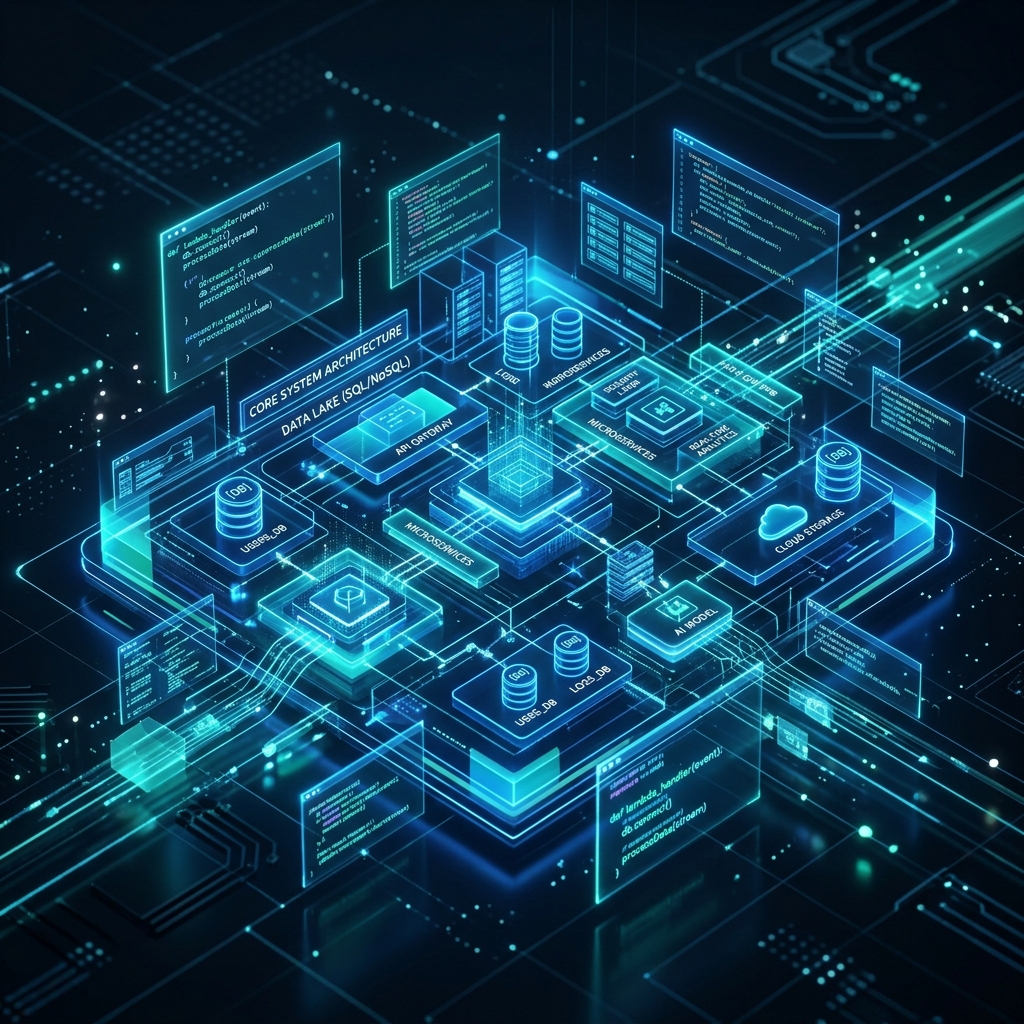
The Burden of Boilerplate
Historically, a significant portion of a software engineer's time has been consumed by writing boilerplate code: configuring routers, setting up database connections, writing CRUD schemas, implementing user authentication controllers, and writing unit test stubs. This repetitive work bottlenecks developers and distracts from solving unique business logic.
Generative AI systems have officially declared war on boilerplate. Because AI is exceptionally good at recognizing patterns and generating standardized code structures, developers can offload boilerplate generation entirely, leading to a new era of clean software architecture.
Standardization of Design Patterns
One of the unexpected benefits of AI-driven development is architectural standardization. When agents write code, they draw upon industry best practices (e.g. MVC, Clean Architecture, Dependency Injection). As teams rely on AI to stub out microservices or frontend routing systems, codebases naturally become more consistent, clean, and readable.
Focusing on What Matters
With boilerplate eliminated, the developer's role shifts. We are no longer plumbers stitching APIs and configurations together. Instead, we are architectural orchestrators. We spend our time modeling data relationships, designing robust security rules, optimizing performance bottlenecks, and refining user experience. The "death" of boilerplate is actually the rebirth of software engineering as a purely creative and strategic discipline.
